- AEO Certified
- Complete Customs clearance
- Direct Link with Portbase & Customs
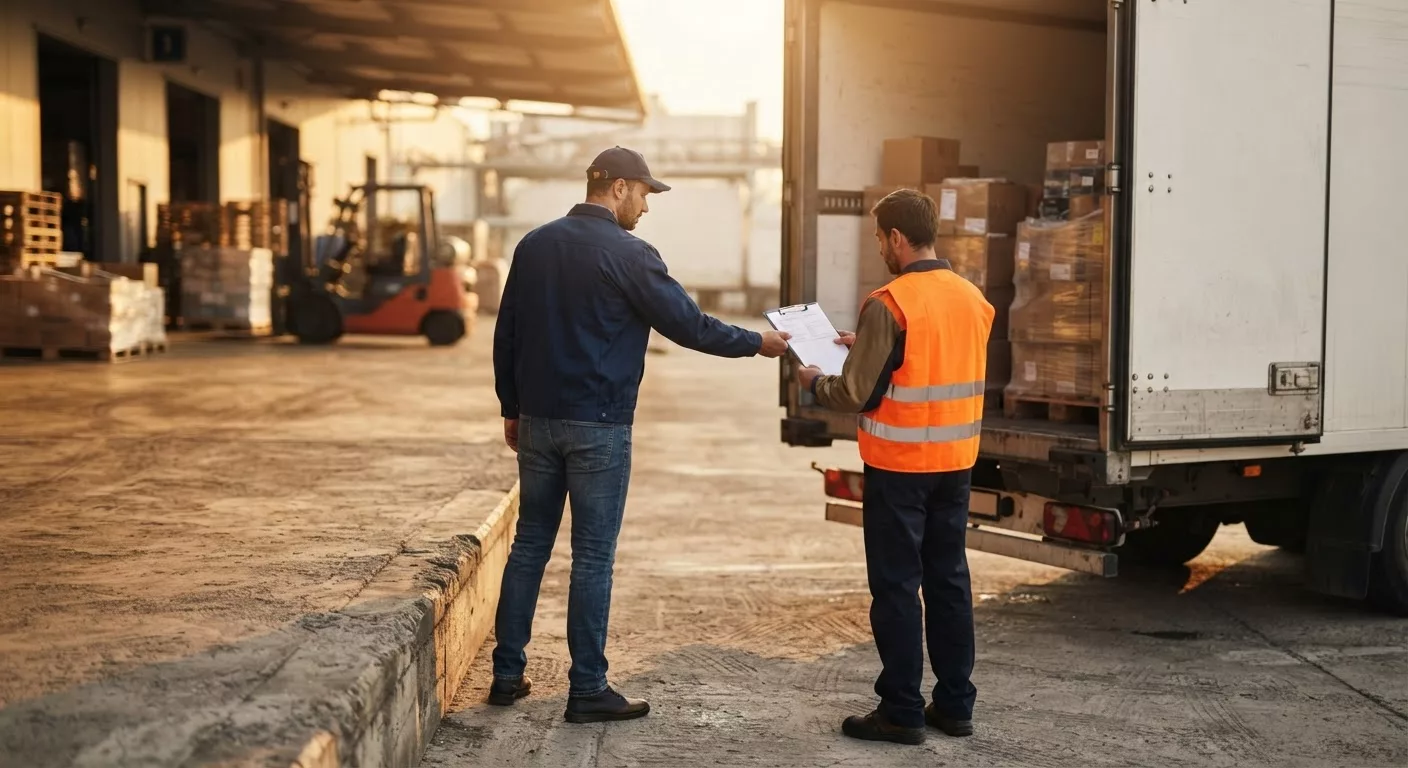

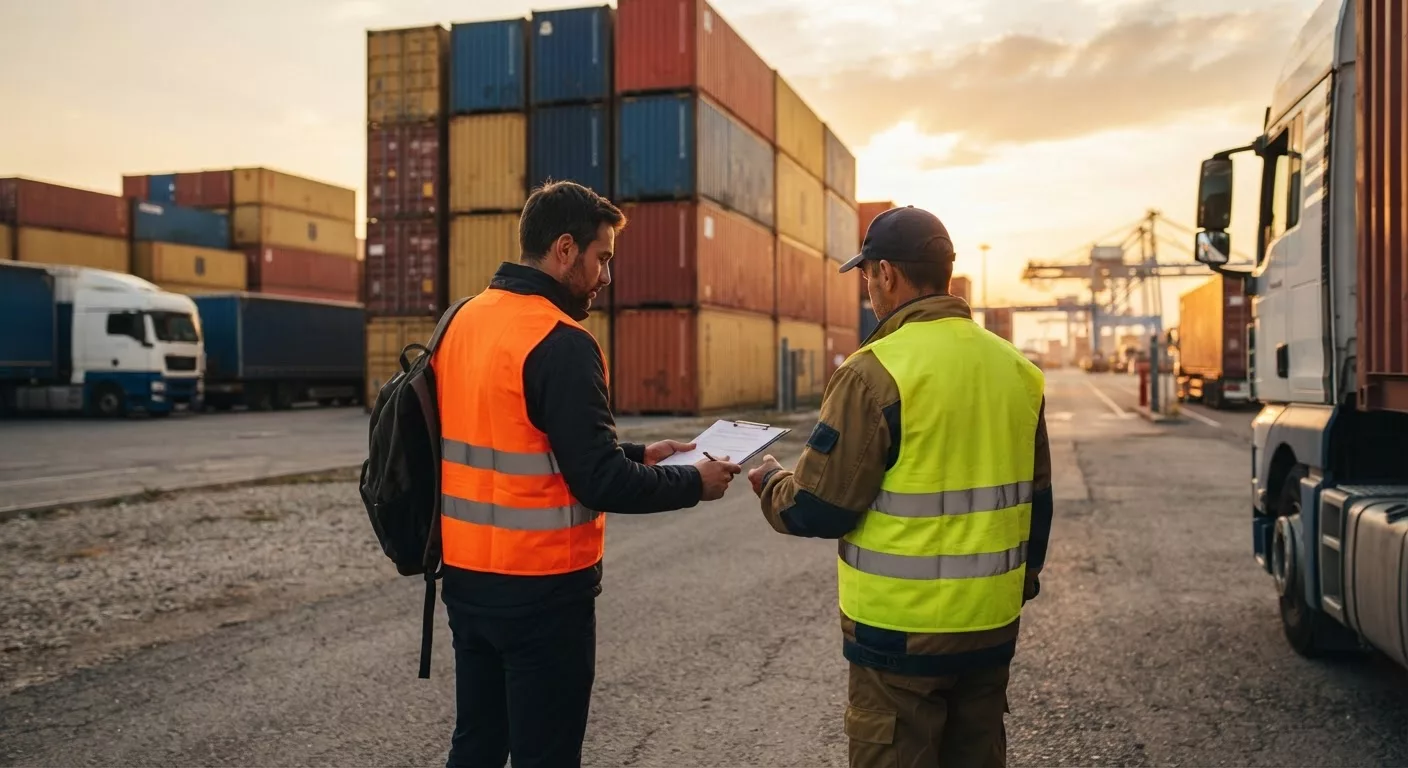



Customs clearance is the mandatory process of declaring goods to customs authorities to allow legal import or export across borders. The Customs Company handles complete customs clearance in the Netherlands, including document verification, customs declarations, duty and VAT calculation, and regulatory compliance. By combining expert customs knowledge with digital systems, the company ensures fast, accurate, and compliant clearance for international shipments.
Yes. The Customs Company operates as a professional customs broker in the Netherlands, supporting importers, exporters, logistics providers, and international traders. As an experienced customs broker, the company manages customs declarations, customs formalities, transit procedures, and advisory services, helping businesses navigate Dutch and EU customs regulations efficiently.
Fiscal representation and VAT representation in the Netherlands (VAT representation NL) allow non-EU or foreign companies to trade goods within the EU without establishing a local legal entity. The Customs Company provides fiscal and VAT representation services, handling VAT registration, reporting, and compliance for import and export activities conducted via the Netherlands.
A T1 document is a customs transit document used to move non-EU goods within the European Union under customs supervision without immediate payment of import duties and VAT. The Customs Company prepares and manages T1 documents and other transit documents, enabling secure and compliant movement of goods between ports, borders, and bonded warehouses.
Yes. The Customs Company specializes in customs clearance in Rotterdam, Europe’s largest seaport and a major logistics hub. Acting as a reliable customs agent in Rotterdam, the company supports sea freight, container imports, exports, and transit shipments, ensuring smooth customs handling and minimal delays at the Port of Rotterdam.
HS Classification (Harmonized System classification) determines the correct customs duty rates, VAT, and regulatory requirements applied to goods. Incorrect HS codes can result in fines, shipment delays, or compliance issues. The Customs Company provides expert HS classification services, ensuring accurate product classification and compliant customs declarations.
Yes. The Customs Company offers professional customs advice and trade compliance services to help businesses comply with EU and international trade regulations. This includes guidance on customs legislation, documentation requirements, licensing, import and export controls, and risk mitigation to prevent penalties and disruptions.
The Customs Company manages all customs formalities, including import declarations, export declarations, and transit documents such as T1, T2, and T2L. The company also supports customs inspections, controls, and regulatory procedures, ensuring compliant and efficient cross-border trade operations.
Yes. The Customs Company works closely with freight forwarders, logistics providers, and bonded warehouses in the Netherlands (Bonded warehouse NL). This collaboration supports customs-controlled storage, transit movements, and seamless coordination between customs clearance and freight operations.
Discover how we simplify customs processes and keep your international trade moving.