E-commerce businesses are growing worldwide by selling products across borders. International trade opens the door to new markets and expands a company’s customer base.
At the same time, clearing goods through customs is often the biggest challenge. Each country has its own customs regulations and strict legal documentation requirements. Even a small mistake or lack of knowledge can result in delays, extra costs, or even seizure of goods.
In this article, we explain what customs clearance is, the challenges involved, the documents required, and provide practical tips to ensure shipments pass smoothly through customs and delays are avoided.
What Is Customs Clearance?
Before goods are legally allowed to enter or leave a country, they must first pass through customs. Customs authorities inspect the shipment to confirm compliance with local regulations, verify that the correct documents have been submitted, and ensure that all required taxes and import duties have been paid. This entire control process is known as customs clearance.
Once a shipment meets all legal requirements, customs declares the goods cleared. This means the documentation has been approved and the shipment may continue its journey. Without customs clearance, goods remain held at the border, often resulting in delays, fines, or even seizure.
Who Pays Customs Costs?
Customs costs are usually paid by the importer or the recipient of the shipment, the party bringing the goods into the country. In some shipping agreements, the seller covers these costs. Responsibility for import duties and taxes is determined in advance based on the selected Incoterms.
What Is a Customs Broker and Why Do You Need One?

A customs broker is a licensed professional or organization that handles customs documentation and legal obligations for imports and exports. This specialist manages the required paperwork, ensures compliance with regulations, and communicates with customs authorities to guide shipments smoothly through the clearance process.
Using a customs broker helps prevent delays, errors, and penalties. They act on your behalf, understand complex regulations, and ensure shipments pass customs without issues, saving time and reducing risk.
Key Services of a Customs Broker:
-
Customs documentation handling: Prepares and submits all required forms accurately in accordance with local legislation, preventing rejections and processing delays.
-
Calculation of import duties and taxes: Determines the correct import duties and VAT based on product type and value, avoiding overpayment, penalties, or unexpected charges.
-
Customs clearance coordination: Communicates directly with customs authorities, responds to inquiries, and manages inspections to prevent unnecessary delays.
-
Trade compliance advice: Provides insight into import/export regulations, product classification, and legal changes to keep shipments compliant across different countries.
The 5 Steps of the Customs Clearance Process
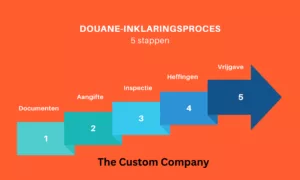
Customs clearance follows a structured process that every international shipment must complete. Each step ensures legal compliance, accurate documentation, and payment of all import duties and taxes before goods are released.
Step 1: Document Preparation
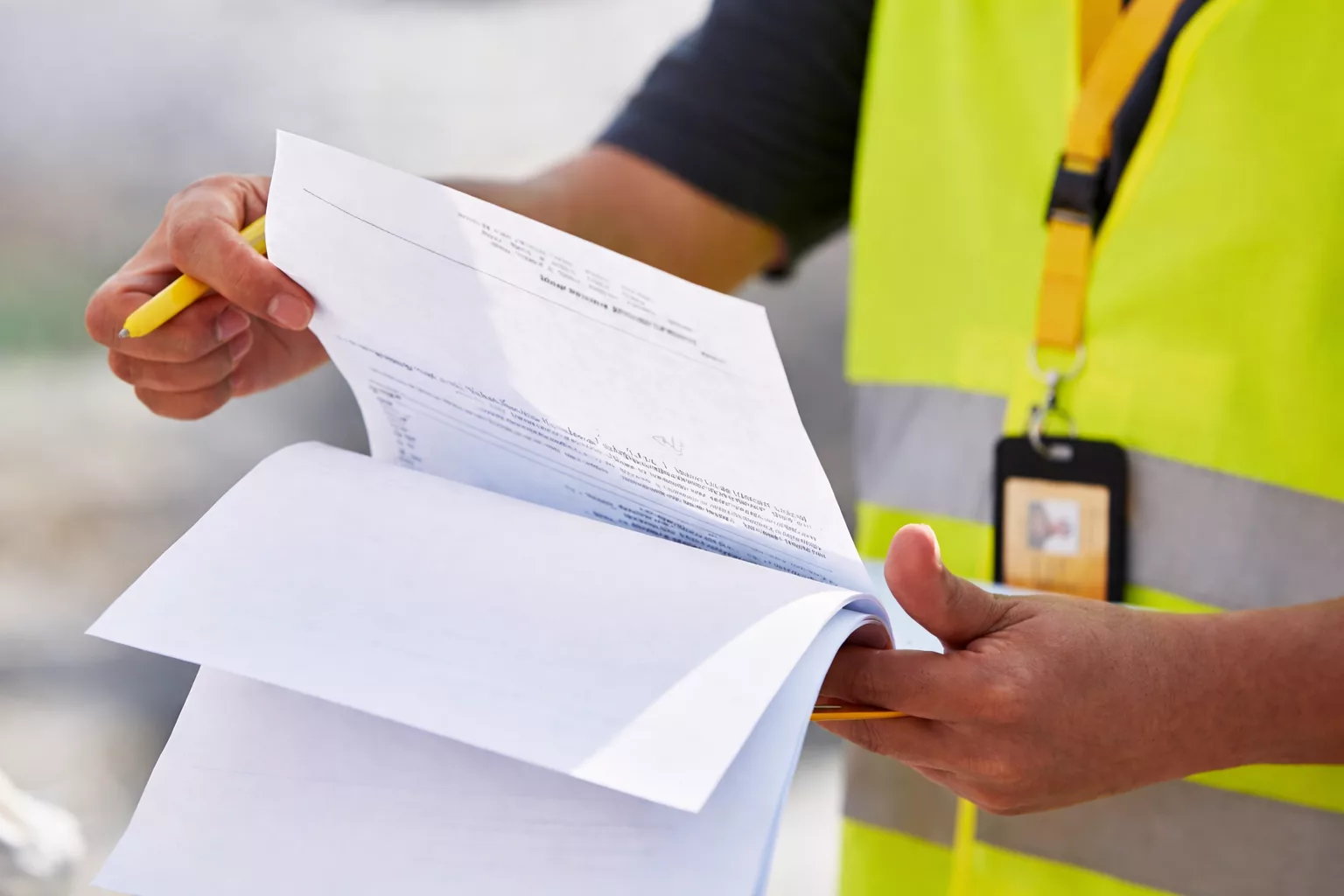
The importer or exporter prepares key documents such as invoices, packing lists, transport documents, and permits. Accurate documentation clearly identifies the goods, their value, and origin, helping to prevent questions or rejections.
Step 2: Submission of the Customs Declaration
A customs declaration is submitted containing detailed shipment information, including product type, quantity, value, and country of origin. This allows customs to assess risks, calculate duties, and verify compliance.
Step 3: Inspection and Verification
Customs may inspect shipments through physical checks, scans, or tests to confirm that goods match the declaration and comply with safety, trade, and import regulations.
Step 4: Assessment of Import Duties and Taxes
Customs calculates applicable import duties, taxes, and any additional charges based on product classification and value. Correct classification is essential, as errors can lead to higher costs, penalties, or delays.
Step 5: Payment and Release of Goods
Once all duties and taxes are paid, customs releases the shipment, allowing the goods to be transported to their final destination without further restrictions.
After completing all customs clearance steps, the shipment is legally permitted to enter or exit the country.
How Do You Calculate Import Duties and Clearance Costs?
By calculating costs before goods reach the border, you save stress, money, and complications at customs.
It all starts with the declared value of the shipment: the amount paid for the goods, excluding transport and insurance. Customs uses this value as the base and adds additional costs.
Next come import duties, which depend on several factors:
-
the product’s HS code
-
the type of goods
-
the country of origin
Trade agreements can significantly reduce or eliminate duties, particularly with the EU or Commonwealth countries for certain products.
A typical calculation looks like this:
-
Customs value = value of the goods
-
Import duties = customs value × duty rate (%)
-
VAT base = goods value + import duties + transport + insurance
-
VAT payable = VAT base × 20% (standard UK rate)
Most UK imports are subject to a 20% VAT rate, although reduced rates or exemptions apply to some product categories.
Finally, there are clearance or handling fees charged by couriers or brokers for administrative processing. These are service fees, not taxes, but they still contribute to the total cost.
By calculating everything in advance, you know exactly what to expect and avoid unpleasant surprises at the border.
Which Documents Are Required for Customs Clearance?
International shipping involves extensive paperwork, and customs authorities expect every detail to be correct. Missing even one document can result in delays, extra costs, or goods being held at the border.
Proforma Invoice
A preliminary invoice sent before shipment, outlining the goods, estimated value, and sales terms, giving both buyer and customs a clear expectation.
Commercial Invoice
An official sales invoice detailing goods, quantities, prices, buyer, and seller. Customs uses this to calculate duties and taxes.
Export Packing List
A detailed list of packaging contents, including weight, dimensions, and items per package, assisting customs and carriers during inspection.
Certificate of Origin
Confirms where the goods were manufactured, enabling customs to apply correct tariffs and verify trade agreement eligibility.
Certificate of Free Sale
Proof that certain goods, such as food or health products, are legally sold in the country of origin and approved for export.
Shipper’s Letter of Instruction
Instructions from the shipper to the broker explaining how the shipment should be handled, routed, and documented.
Bill of Lading or Air Waybill
A transport contract and receipt issued by the carrier. A bill of lading applies to sea freight, while an air waybill is used for air cargo.
Proper preparation of these documents requires experience and precision. A customs broker understands local regulations and document requirements and can manage the entire process efficiently and stress-free.
Common Challenges in Customs Clearance (and Why They Occur)
Customs clearance is often complex because each country applies its own rules. Regulations change frequently, making it difficult for businesses shipping to multiple international markets to stay fully up to date.
Incorrect or incomplete documentation is another common issue. Small errors in invoices, product descriptions, or values can trigger inspections, delays, or fines.
Incorrect product classification also causes frequent problems. Using the wrong tariff code can lead to higher duties, rejected declarations, or even seizure of goods, especially if customs identifies inconsistencies during checks.
Conclusion
Customs clearance is essential for transporting goods legally and without delay across borders. Accurate documentation, correct product classification, and timely payment of duties ensure a smooth process and prevent fines, extra costs, or held shipments.
Because customs regulations are technical and constantly evolving, using a professional customs clearance service is often the safest option. Experts handle documentation, compliance, and communication with authorities, minimizing delays and keeping goods moving efficiently.
Are you looking for a reliable customs broker in the Netherlands to support your international trade? Managing customs obligations without professional assistance can lead to delays, errors, and compliance risks.
The Customs Company provides fast, accurate, and fully compliant customs services, backed by AEO certification, 24/7 support, and smart digital integrations. Our experienced team manages your customs processes efficiently, so your goods keep moving.
Contact The Customs Company today and ensure your business grows smoothly, without legal challenges or unnecessary delays.