CIF-Incoterm explained: costs, insurance and freight responsibilities
In international sea trade, knowledge of who pays the freight and insurance costs is not optional, but essential. The CIF-Incoterm, which stands for Cost, Insurance and Freight, is one of the most widely used terms of trade in ocean transportation.
This condition was published by the International Chamber of Commerce (ICC) as part of the Incoterms 2020 rules. Under CIF, the seller assumes significant responsibilities, including arranging freight transportation and obtaining insurance for the buyer.
However, the risk passes to the buyer sooner than many people expect. Agreeing to CIF without fully understanding it can lead to unexpected losses during transit.
In this article, we discuss everything you need to know about the CIF-Incoterm. We explain what CIF means, how the three core components work, what the insurance requirement entails and when CIF is the right choice for your shipment.
What is the CIF-Incoterm?

CIF stands for Cost, Insurance and Freight. It is one of the 11 trade rules under Incoterms 2020, published by the International Chamber of Commerce (ICC). In the Netherlands, CIF is known as “cost, insurance and freight.” It is one of only four Incoterms that applies exclusively to transport by sea and inland waterways.
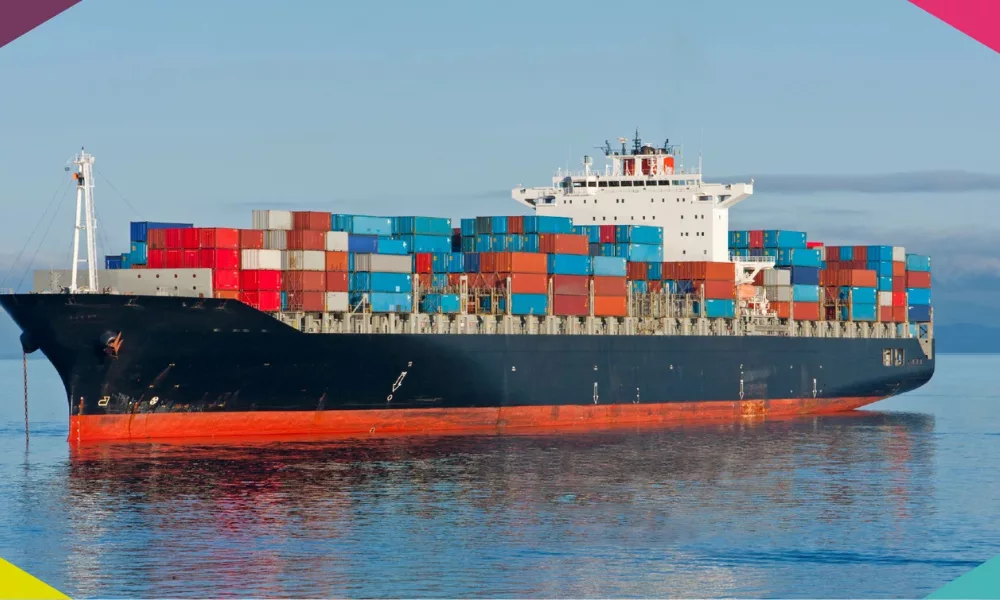
Under the CIF-Incoterm, the seller loads the goods aboard the vessel at the port of shipment. The seller also pays the freight charges to the said port of destination and must obtain insurance on behalf of the buyer.
CIF is best suited for bulk and general cargo, such as grain, coal or raw materials. It is not suitable for container transport. For container transport, CIP is the more appropriate Incoterm. Always state the named destination port clearly in the sales contract.
The three core components of CIF

CIF stands for three separate elements: Cost, Insurance and Freight. Each component has a clear meaning and a specific responsibility. Understanding all three is essential before agreeing to CIF in a sales contract.
Cost: what the seller pays before loading
Under CIF, the seller covers all costs related to packaging, export customs clearance and terminal handling at the port of origin.
These CIF charges include everything necessary to prepare and load the goods aboard the vessel. The seller bears all these costs until the goods are placed aboard the vessel at the port of shipment.
Insurance: the seller’s mandatory obligation
CIF is one of only two Incoterms 2020 rules that require the seller to obtain insurance. The seller must obtain minimum insurance coverage for the shipment as required by the ICC.
This CIF insurance is purchased for the benefit of the buyer. If you are the buyer, always verify that the seller’s minimum coverage is sufficient for your needs. You can negotiate for higher coverage if necessary.
Cargo: transport to the destination port
The seller arranges and pays for CIF freight to the agreed destination port. This means that the seller enters into a transportation contract with a carrier and covers all shipping costs to the named port.
However, once the goods are loaded aboard the ship at the port of shipment, responsibility for any damage or loss in transit shifts to the buyer.
Responsibilities of the CIF seller and buyer
Under CIF, both parties have clearly defined responsibilities. The seller assumes more responsibility than under FOB, but the risk still passes to the buyer early in the process.
According to the ICC, a good understanding of these CIF responsibilities in advance helps avoid disputes and unexpected costs for both parties.
| Responsibility | Seller | Buyer |
| Packaging and marking of goods | ✅ | ❌ |
| Export customs clearance and documents | ✅ | ❌ |
| Loading of goods at shipping port | ✅ | ❌ |
| Main cargo to destination port | ✅ | ❌ |
| Minimum insurance for buyer | ✅ | ❌ |
| Insurance certificate to buyer | ✅ | ❌ |
| Inform buyer when loading | ✅ | ❌ |
| Import customs clearance and documents | ❌ | ✅ |
| Import duties and taxes | ❌ | ✅ |
| Transportation to final destination | ❌ | ✅ |
| Unloading at final destination | ❌ | ✅ |
| Additional insurance | Optional | Optional |
The seller’s obligations under CIF end at the port of destination. However, the risk passes much earlier, namely at the time the goods are loaded aboard the vessel at the port of shipment. This means that the buyer bears the risk throughout the sea voyage, even though the seller pays for cargo and insurance.
The buyer assumes full responsibility from the port of destination. This includes import customs clearance, payment of import duties and transportation to the final inland destination.
If you are the buyer, always check that the seller’s minimum insurance coverage is sufficient. You have the right to negotiate for higher coverage before signing the contract.
Insurance obligation under CIF: what is covered?
CIF is one of only two Incoterms 2020 rules that require the seller to carry insurance. The other is CIP. The minimum CIF insurance coverage required is based on the Institute Cargo Clauses (C).
The insurance must cover at least 110% of the value of the goods, as stated in the contract of sale. In any case, the coverage must be valid up to the point of delivery at the destination port.
The seller must also ensure that you, the buyer, can make a claim directly to the insurer in case of damage.
Below is a clear overview of what the minimum CIF coverage does and does not include:
What ICC Clause C covers:
- Fire and explosion
- Stranding, sinking and capsizing
- Collision with another vessel
- Unloading cargo in a port of refuge
- General average (sacrifice and throwing overboard of cargo)
What ICC Clause C does not cover:
- Damage caused by war, strikes or riots
- Damage due to inherent defects in the goods
- Losses caused by delays during transportation
If the minimum coverage is not sufficient for your shipment, you can negotiate higher coverage with the seller. ICC Clause A provides coverage against all risks and is the most comprehensive option.
ICC Clause B offers an intermediate form. Both can be mutually agreed upon before signing the sales contract.
How the costs will be shared among CIF?
Under CIF, the seller pays more charges than under most other ocean transportation Incoterms. CIF cost sharing is clearly defined and tied to the point at which the goods are loaded aboard the vessel.
Knowing this in advance helps both parties estimate the transaction correctly and avoid unexpected costs.
Seller pays:
- Packaging and labeling of goods
- Export documentation and export customs clearance
- Loading charges at the shipping port
- Main cargo to the said destination port
- Minimum insurance premium under ICC Clause C
Buyer pays:
- Import customs clearance and import documents
- Import duties and taxes in the destination country
- Transportation from destination port to final inland destination
- Unloading costs at the final destination
Insurance costs:
- The seller pays for the minimum ICC Clause C coverage as required under CIF.
- If the minimum coverage is not enough, you, the buyer, can purchase additional insurance at your own expense.
CIF versus CFR, FOB and CIP: what’s the difference?
CIF is often compared to CFR, FOB and CIP because all four terms relate to ocean transportation. The differences between these terms are important. Choosing the wrong Incoterm can lead to unexpected costs and risks for both the buyer and seller.
| Feature | CIF | CFR | FOB | CIP |
| Transport modes | Sea and inland waterways only | Sea and inland waterways only | Sea and inland waterways only | All modes |
| Seller pays freight | Yes | Yes | No | Yes |
| Insurance required by seller | Minimum ICC (C) | No | No | ICC (A) all risk |
| Risk transfer | On loading on ship at port of shipment | On loading on vessel at port of shipment | Upon loading on vessel at port of shipment | On transfer to first carrier |
| Suitable for containers | No | No | No | Yes |
| Suitable for bulk loading | Yes | Yes | Yes | Yes |
The main difference between CIF and CFR is insurance. Under CFR, the seller arranges and pays for freight transportation but is not required to provide insurance for the buyer. Under CIF, insurance is mandatory. This makes CIF a safer option for buyers who do not have their own freight insurance.
If you ship goods in containers, CIF is not the right choice. CIP is the better alternative because it applies to all modes of transportation and requires higher insurance coverage based on ICC Clause A. CIP offers the buyer stronger protection throughout the journey.
When should you use the CIF-Incoterm?
CIF is not the right choice for every shipment. It works best in specific trade scenarios where the seller has direct access to the ship at the shipping port.
CIF is a good option for bulk shipments, such as grain, coal, crude oil and other commodities. It also works well when the buyer has limited logistics experience and prefers the seller to handle freight transportation and insurance.
Experienced exporters also prefer CIF because it gives them more bargaining power with carriers and simplifies documentation for payments through a Letter of Credit.
However, CIF is not suitable for container freight. If you are shipping goods in containers, prefer to use CIP. CIF is also not the right choice if you, the buyer, want full control over carrier selection and insurance terms.
If you want the seller to bear the risk throughout the trip, DAP or DPU are better options.
Need help with your CIF export customs clearance?
CIF is a practical Incoterm for maritime bulk trade. The seller arranges freight transportation and insurance, while the buyer bears the risk from the moment the goods are loaded aboard the vessel.
Understanding this early risk transition point and minimum insurance requirements is essential before agreeing to the CIF-Incoterm in a sales contract.
Under CIF, the seller is responsible for export customs clearance. If this is not done correctly, the entire shipment may be delayed. Are you looking for a professional and AEO-certified customs service provider in the Netherlands? The Customs Company can help you with this.
They offer direct connections to Dutch Customs and Portbase and provide 24/7 support for efficient customs clearance. Working with the right customs partner ensures that your export obligations are handled correctly every time.