Exporting to the USA from the EU: customs and tariffs
Key takeaways
- Every shipment from the EU to the United States needs an EU export declaration first. The US import entry is a separate procedure, handled on the American side.
- US duty on EU goods has changed several times since 2025. Since 24 February 2026 a surcharge under Section 122 applies, which GTAI describes as 10 percent on top of the normal rate.
- Which US rate applies depends on origin. Products made in Asia and resold from a European warehouse do not get the treatment of EU goods.
- For ocean freight, the US importer must file an Importer Security Filing before the container is loaded in the European port.
- Zero-rated VAT on the export only holds with proof that the goods left the EU, and under EXW that proof is often missing.
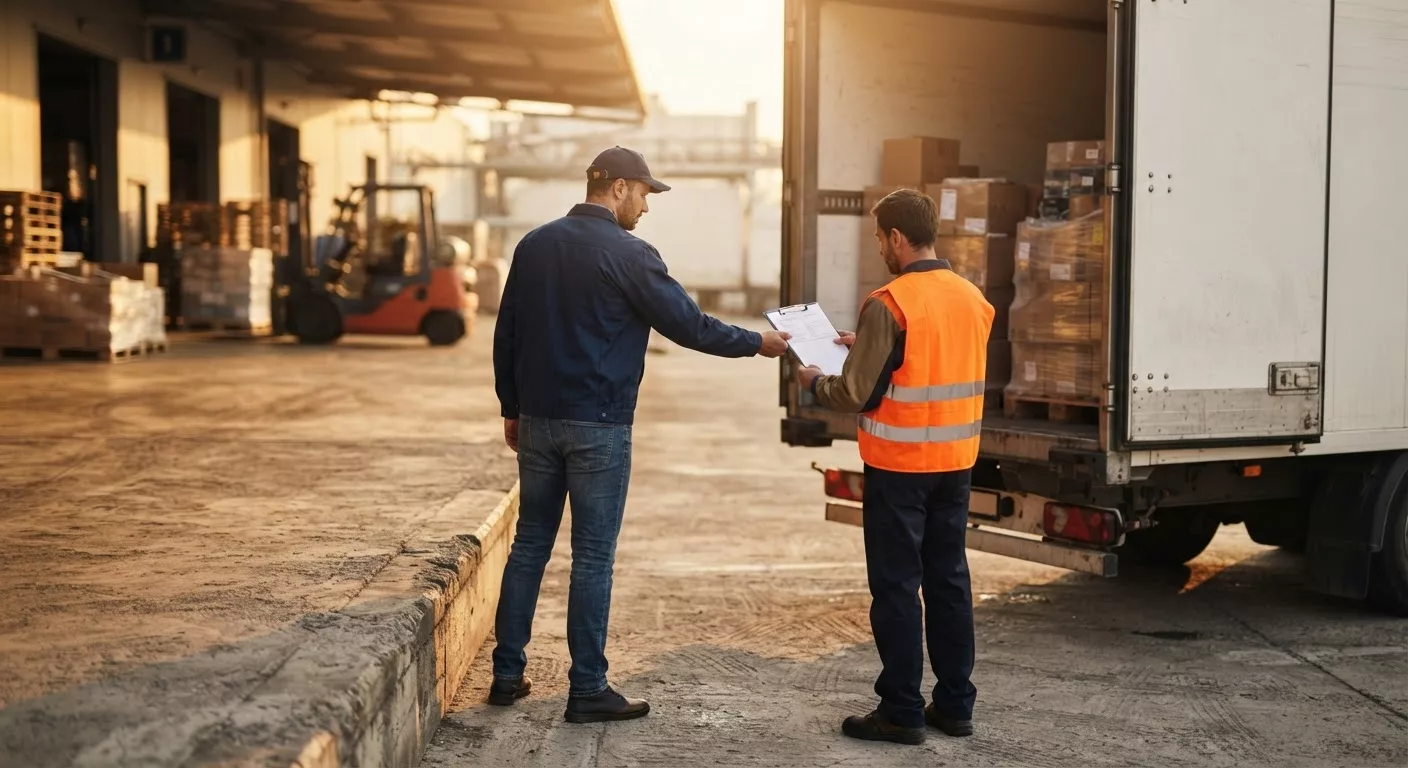
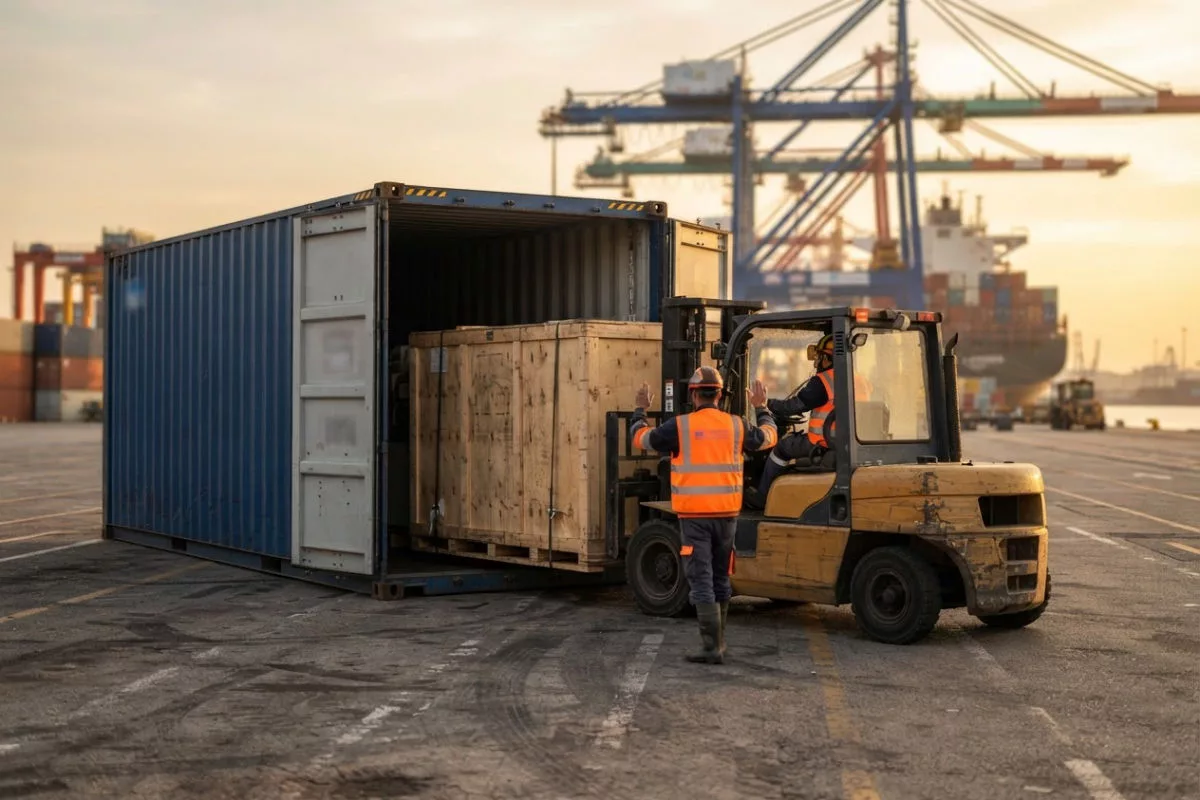
A Dutch maker of packaging machines lands its first American order, a line for a food plant in Georgia. The quote says “delivered, duty paid”, the container is booked, everyone is happy. Then the machine reaches Savannah and nobody has arranged the US import. Under its own quote the seller is the importer, but it has no US customs broker and no customs bond, so the crates sit on the quay while the customer waits.
Shipping to America looks like an ordinary export with a longer voyage. It is really two customs procedures under two legal systems, and the US tariff picture has shifted several times since 2025.
This guide is written for EU exporters and covers what both sides will ask of you.
Which customs formalities apply when exporting to the USA?
An export declaration in the EU and an import entry with U.S. Customs and Border Protection (CBP). The US entry is almost always filed by an American customs broker acting for the importer.
You lodge the export declaration before the goods leave. Customs releases them under an MRN, the reference that travels with the shipment until it exits the EU. The steps are set out in our guide to the export declaration.
What the US side needs from you is mostly data:
- a commercial invoice with a precise description, the value, the Incoterm and the country of origin;
- the commodity code, ideally also at ten digits under the US tariff schedule;
- for sea freight, the details the importer needs for the Importer Security Filing, such as manufacturer, seller and the place where the container was stuffed.
The Importer Security Filing, known as “10+2”, applies to all cargo arriving in the US by vessel. The importer or its broker must file it no later than 24 hours before the container is loaded in the European port. On its Importer Security Filing page, CBP warns that failing to comply can lead to penalties, more inspections and delayed cargo.
What US duty will your buyer pay?
The normal US rate for the commodity code, plus whatever surcharge applies to EU goods at the time.
In the Joint Statement of 21 August 2025 the EU and the US agreed a ceiling of 15 percent, normal rate included. According to Germany Trade and Invest (GTAI), the German federal agency for foreign trade, that rate applied up to and including 23 February 2026. It rested on an emergency statute, the IEEPA, and lapsed after a Supreme Court ruling. Since 24 February 2026 the US has applied a surcharge under Section 122 of the Trade Act to EU goods as well, which GTAI’s overview of the EU and US arrangement describes as 10 percent on top of the normal rate.
Sector tariffs run alongside: GTAI lists 15 to 50 percent extra on steel, aluminium and copper, and a combined 15 percent on cars and parts. Civil aircraft and certain pharmaceuticals pay the normal rate only.
A worked example, with assumptions stated: machine parts invoiced at 40,000 dollars, a normal rate of 2.5 percent and a surcharge of 10 percent. The importer then pays 12.5 percent, which is 5,000 dollars. US customs values the goods themselves; the ocean freight is not part of the dutiable value.
Which surcharge applies three months from now, we do not know, and nobody else does either. Never quote a rate from memory; have your buyer’s broker check it per code on the day of the quote.
Who handles the US import, and who pays?
The Incoterm decides. Under most terms your American customer is the importer and pays the duty. If you sell DDP, that importer is you.
As importer of record you need a US customs broker to file the entry for you, and a customs bond that guarantees payment to CBP. A foreign company can do this, but it is set up in advance, not once the container is in port. What else DDP commits you to is covered in our article on the DDP Incoterm.
Our advice to most exporters is DAP, unless the buyer insists on DDP. Under DAP you deliver to the door and the buyer clears the goods with his own broker.
Why does origin matter for exports to the US?
Because US rates differ by country of origin. The arrangements for EU goods only cover products that genuinely originate in the EU, and an invoice issued in Amsterdam proves nothing about that.
The US decides origin by substantial transformation: where did the product undergo its last meaningful processing? A wholesaler that repacks Chinese tool cases in Rotterdam and ships them to Chicago is exporting Chinese goods. Different US rates apply to those, and for many products they are considerably higher.
So state the country of origin correctly on the invoice, and on the goods themselves, because US customs expects that too.
Watch the commodity code too. The first six digits are the same worldwide; after that the EU and US schedules diverge. How to get the code right is explained in our guide to the HS code. Goods travelling the other way follow different rules again since 1 July 2026, see our article on importing from the USA to the EU.
How do you keep the zero VAT rate on exports to the US?

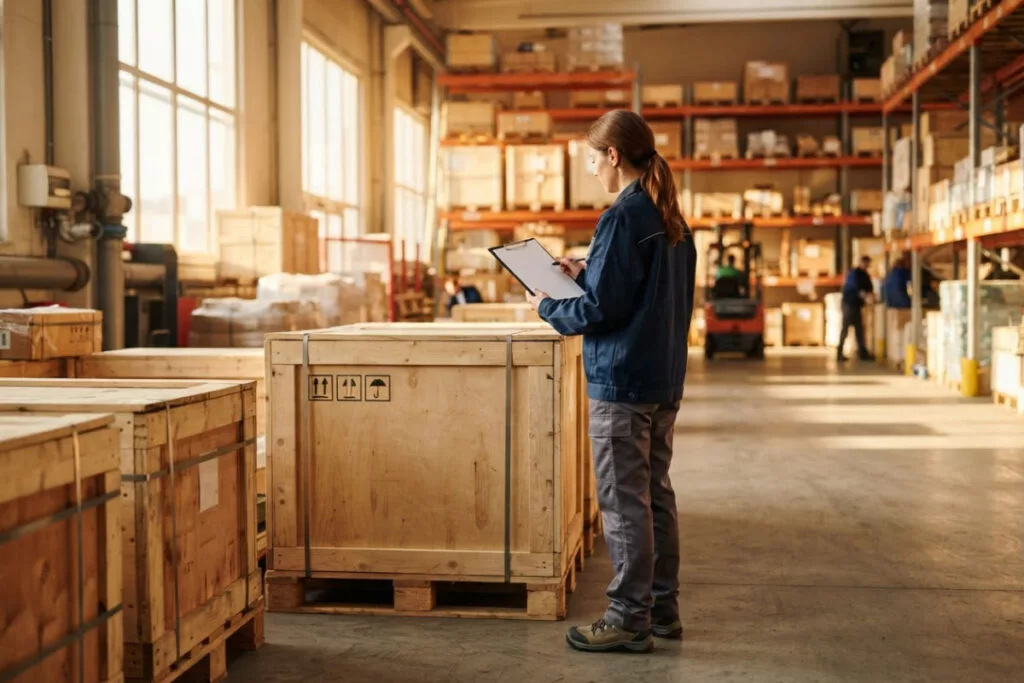
With proof that the goods actually left the EU. A sale to a customer in the US is an export and carries zero VAT, but only if you can show the exit. The exit confirmation on your own export declaration is the strongest evidence you can have.
The risk sits with EXW. If the American buyer collects the goods and his forwarder files the export declaration, you may never see that confirmation. At a tax audit the authorities can then assess domestic VAT on the sale, while the machine has been running in Ohio for months. If you do sell EXW, write into the contract that the buyer sends you the MRN and the exit proof, or choose FCA, where you file the export declaration yourself.
The amounts are not small. Trade figures from the European Commission show that the EU exported 554.9 billion euros of goods to the US in 2025, more than one and a half times what it imported from there. Every shipment without exit proof is a full VAT charge waiting on the balance sheet.
Where do US exports go wrong in practice?
Rarely in the declaration itself, usually in the arrangements around it:
- a DDP quote with no US broker or customs bond behind it;
- Importer Security Filing data sent after the container was loaded;
- “EU” as the origin on the invoice for goods made outside Europe;
- an EXW sale where nobody passes the MRN back to the seller.
Frequently asked questions
Q: Do I need an export declaration for a shipment to the USA?
Ans: Yes. Every shipment leaving the EU needs an export declaration, samples included, and you need an EORI number to file it. The declaration produces the MRN you later rely on as exit proof for the zero VAT rate.
Q: How much US duty will my buyer pay?
Ans: The normal rate for the commodity code plus the surcharge that applies to EU goods at the time. Since 24 February 2026 GTAI puts that at 10 percent extra, with separate rules for steel, aluminium and cars. Goods without EU origin fall under other rates. Check it per code on the day you quote.
Q: Who files the Importer Security Filing?
Ans: The US importer, normally through its customs broker. You provide the data, such as manufacturer, seller and stuffing location. CBP must have the filing before the container goes on board in Europe, so send the details together with the booking.
Q: Can an EU company act as the importer in the US?
Ans: Yes, with a US customs broker and a customs bond. The duty is then for your account, as with any DDP sale.
Q: How quickly is the EU side of the export done?
Ans: With complete documents the export declaration is done within a few hours. Delays usually come from an incomplete invoice or a vague goods description.
Is your first container to the US on the planning, or are you already exporting but missing exit proof? As an AEO-certified customs broker we file the export declaration, check the invoice and origin data before your buyer’s broker starts on the entry, and keep the MRN on file for your VAT records. Evenings and weekends included. See our services for what we take over, and once you sign the power of attorney we can declare your next US shipment straight away.
Written by Bob Endeveld, owner at The Customs Company