Demurrage and Detention Explained: Container Delay Costs in Shipping
Key Takeaways
- Demurrage is charged when a full container stays at the terminal longer than the agreed free time; detention applies when a container is kept outside the terminal longer than agreed.
- The demurrage period begins as soon as the container is discharged from the vessel, not when the vessel arrives in port.
- On imports the detention period begins once the full container leaves the terminal and runs until the empty container is returned.
- Rates and free time are not standardised and vary by shipping line and by port.
- The party that booked the sea transport is held responsible for these costs by the shipping line.
Container delay costs can arise unexpectedly. One moment your shipment is running on schedule, and the next you’re facing daily costs that add up quickly. Demurrage and detention are among the most common unexpected costs in international shipping. Understanding how these costs work is the first step to avoiding them.
Both costs arise when a container remains longer than the agreed free time. They are closely related but do not mean the same thing. The party that booked the sea transport is held responsible for these costs by the shipping line.
In this article we explain what demurrage and detention mean, how they work for imports and exports, who pays the costs under different Incoterms, what causes these costs and how you can avoid them.
What are demurrage and detention?
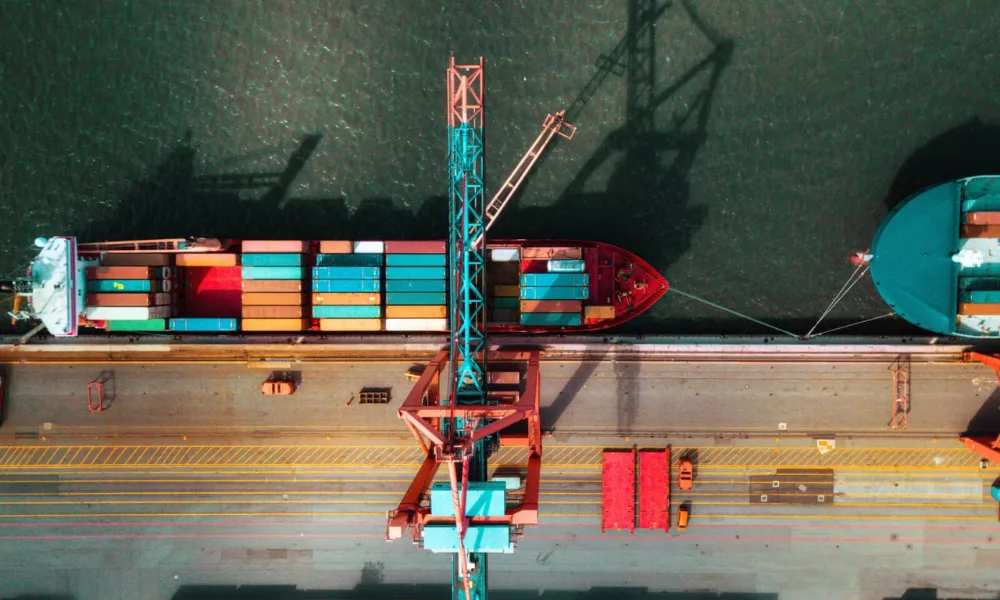
Demurrage is the fee charged when a full container remains at the terminal longer than the agreed free time.
The demurrage period begins as soon as the container is discharged from the vessel or gated in at an inland terminal. The period ends when the full container leaves the terminal for delivery.
Demurrage costs are usually higher than detention costs, because terminal space is limited and expensive.
Detention is the fee charged when a container is kept outside the terminal longer than the agreed free time.
The detention period begins as soon as the full container leaves the port. The period ends when the empty container is returned to the agreed port, terminal or depot.
Free time is the period the shipping line gives customers to carry out these actions without extra cost. The length of this free time differs per shipping line and port and is often negotiable.
The free time for detention is usually longer than for demurrage, because shipping lines want to remove containers from the terminal as quickly as possible.
How do demurrage and detention work in practice?
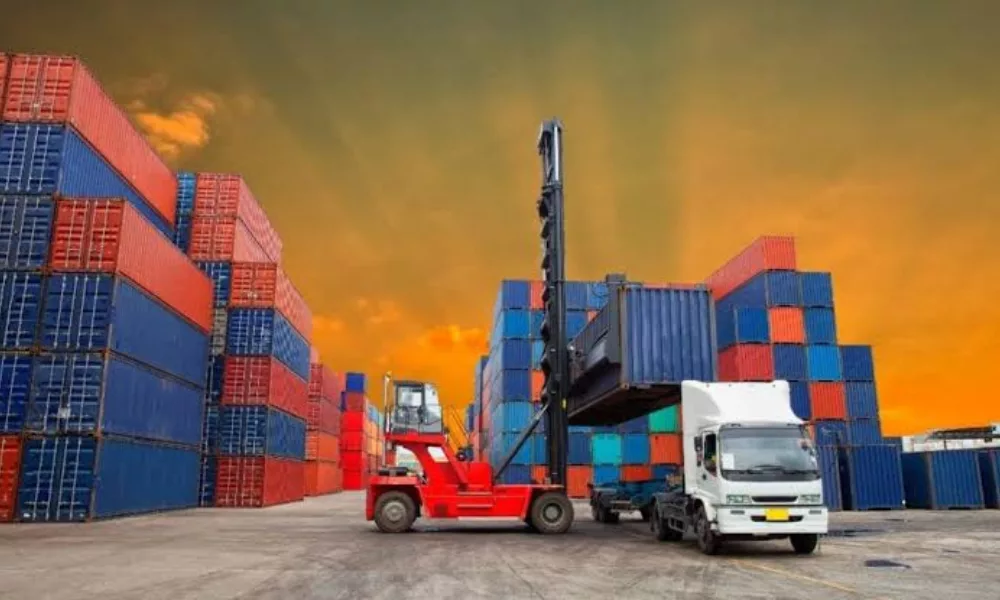
Demurrage and detention work differently for imports and exports. Understanding when each period starts and ends is essential to avoiding unexpected costs.
Import: how the two periods work
The demurrage period begins as soon as the container is discharged from the vessel. It does not begin when the vessel arrives in port.
As soon as the full container leaves the terminal for delivery, the demurrage period stops and the detention period begins. The detention period then continues until the empty container is returned to the depot designated by the shipping line.
Here is a practical example. A container is discharged on 2 July. The shipping line offers 7 days of free time, so the free period expires on 8 July. The consignee only picks up the container on 12 July. In that case, 4 days of demurrage are charged at the shipping line’s applicable daily rate.
Export: how the two periods work
For exports, the detention period begins as soon as the shipper picks up the empty container from the shipping line’s depot. The shipper then has a set number of free days to load the container and return it to the port as a full container.
When the container has been loaded and is at the port, but for whatever reason cannot be loaded onto the vessel, demurrage is charged from that point until the container is actually placed on board.
How are demurrage and detention costs calculated?
Rates for demurrage and detention are not standardized. Each shipping line applies its own rates and free times for the port of Rotterdam. The final cost therefore depends entirely on which carrier you use for your shipment.
Still, there are some general patterns that apply to most shipping lines in Rotterdam. For import shipments, many shipping lines offer about 5 free days for standard dry containers before demurrage and detention costs are charged.
For export shipments, the free time is usually longer. Many shipping lines offer around 10 free days before costs apply.
Once the free time expires, costs are often increased in tiers. The longer the container remains after the free time ends, the higher the daily rate becomes.
Reefer containers and special equipment, such as flat rack and open top containers, usually have shorter free times and higher daily rates than standard dry containers.
Costs are calculated per container per calendar day. Public holidays count as ordinary calendar days. Weekends and official holidays do not stop the clock.
Always check the tariff schedule of the relevant shipping line before booking a shipment. Free times, daily rates and tiered structures vary considerably per shipping line.
Knowing the exact terms of your carrier before the goods arrive at the port is the most effective way to avoid demurrage and detention costs.
Who pays demurrage and detention?
The shipping line invoices these costs to the party it can contractually hold accountable. This is usually the consignee, the notify party, or the party that requested release and pickup of the cargo.
This applies even when the delay was caused by the other party. Liability for demurrage is determined by two separate layers: who receives the invoice from the shipping line, and who is ultimately responsible for the costs under the sales contract.
| Incoterm | Typical demurrage exposure | Common cause of disputes |
| EXW / FCA | Buyer usually bears demurrage at destination | Seller provides export documents or goods late |
| FOB / CFR / CIF | Buyer usually bears demurrage at destination | Late original documents, incorrect consignee details or discrepancies in LC documentation |
| DAP / DPU | Seller often bears demurrage up to the place of delivery | Uncertainty about the delivery location or delay in import clearance |
| DDP | Seller usually bears the largest share of demurrage costs | Incorrect estimation of import duties or errors by the customs broker |
Incoterms help divide responsibilities between buyer and seller, but they are not binding on the shipping line. The shipping line will still invoice the party it can hold accountable contractually.
As a result, the consignee may be required to pay the costs first and recover them later from the other party.
It is therefore wise to include a clear demurrage clause in every sales agreement. This clause should establish who is responsible for the costs by default, what happens when one of the parties causes the delay, and what deadlines apply for submitting documents.
The most common causes of demurrage and detention
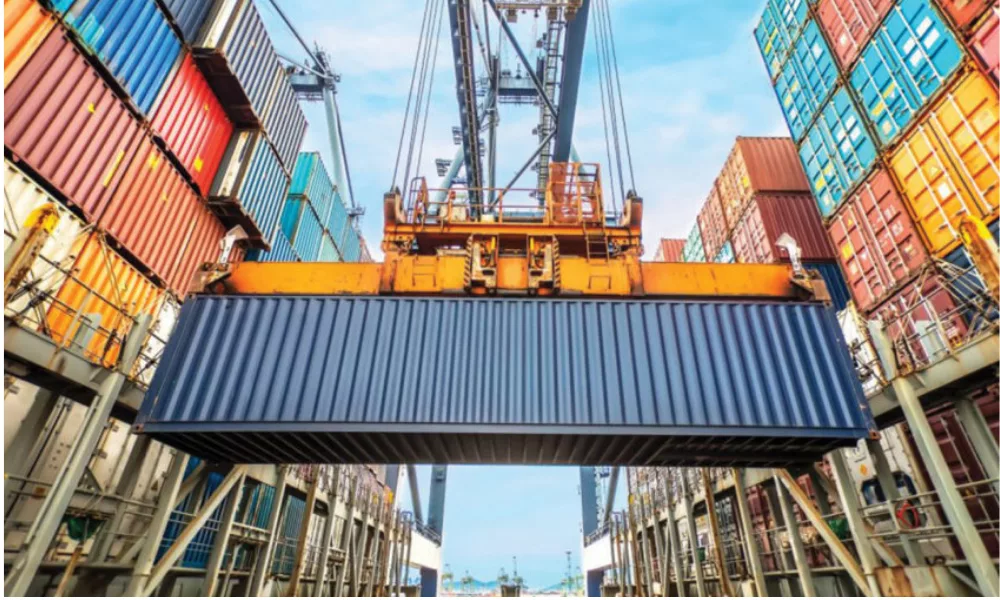
Most demurrage and detention costs are not caused by port congestion or problems at the shipping line. In most cases, they result from avoidable errors on the part of the importer or exporter.
Document delays are the most common cause, especially in transactions involving a Letter of Credit (L/C), where all documents must match exactly.
These are the most common causes:
- Incorrect documents: Wrong consignee details, errors in HS codes or incorrect certificates block the release of goods by customs, causing the container to fall into the cost period.
- Late receipt of documents: Original bills of lading are not received on time, preventing the consignee from picking up the container before the free time expires.
- Loss of documents: Missing original documents delay customs processing and extend the period the container remains at the terminal.
- Delays in customs processing: Inspections by Dutch Customs or missing import permits cause containers to stay at the terminal longer than the free time.
- Late payment of import duties: Waiting until the last free day to pay import duties leaves no room for administrative delays.
- Unavailability of the consignee: When no transport, warehouse appointment or unloading capacity can be arranged within the free time, costs quickly add up.
How do you prevent demurrage and detention costs?
Most demurrage and detention costs can be avoided with good preparation and clear communication. The key is to act before the free time starts running. Once costs start accruing, the amount increases every day.
Before the shipment
- Confirm the release method: Determine before the vessel departs whether goods will be released via an original bill of lading, a telex release or a sea waybill. Establishing this in advance prevents delays at the port of destination.
- Check the consignee’s details: Make sure the consignee and notify party details on the bill of lading exactly match the details used by the buyer’s customs broker. Even small discrepancies can block cargo release.
- Arrange import requirements in advance: Make sure import permits, licenses and customs documentation are arranged before the vessel arrives. Don’t wait until the goods are already at the port.
- Set out responsibilities contractually: Include a clear demurrage clause in the sales agreement. This prevents disputes about who is responsible when costs arise.
After arrival
- Act immediately upon receiving the delivery order: Request the delivery order as soon as possible and confirm with the shipping line when the free time starts and ends. Don’t assume you know how many days are available.
- Pay import duties on time: Pay import duties and customs broker fees well before the last free day. Waiting until the last moment leaves no room for processing time.
- Arrange transport before arrival: Book transport slots and terminal appointments where possible before the vessel arrives. Last-minute bookings often lead to delays.
- Resolve document issues immediately: If a problem arises with the bill of lading or customs documents, take action right away. Don’t wait until the fourth day of free time to report the issue.
Demurrage and detention support from The Customs Company
Delays in customs processing are among the most common causes of demurrage and detention costs.
When export documents are incorrect, import permits are missing or customs inspections cause delays, the free time simply keeps running.
For Dutch importers and exporters, correct customs processing from the start is the most effective way to prevent unexpected costs from container delays.
The Customs Company is an AEO-certified customs service provider in the Netherlands with direct connections to Dutch Customs and Portbase.
With 24/7 support for all customs formalities, The Customs Company ensures your documents are processed correctly and on time, so containers are released well within the free time.
Frequently asked questions
Q: What is the difference between demurrage and detention?
Ans: Demurrage is charged when a full container remains at the terminal longer than the agreed free time. Detention is charged when the container is kept outside the terminal after pickup and the empty container is not returned to the shipping line on time.
Q: Who pays demurrage costs?
Ans: The shipping line invoices the party it can hold accountable contractually, usually the consignee. Ultimately, the sales agreement and the agreed Incoterm determine which party actually has to bear the costs.
Q: What is the most common cause of demurrage?
Ans: Document delays are the most common cause. Incorrect or late-received bills of lading, missing customs documents and discrepancies in Letter of Credit documentation most often cause containers to exceed their free time.