Importing from China to the EU: customs, duty and documents
Key points
- Goods imported from China into the EU pay import duty based on their commodity code, plus import VAT, which is 21 percent for most goods in the Netherlands.
- Duty is charged on the customs value: the price of the goods plus freight and insurance up to the EU border, so on FOB Shanghai terms the sea freight counts.
- China has no trade agreement with the EU, so a proof of origin gives Chinese goods no lower duty rate.
- Several product groups from China, including bicycles and e-bikes, carry anti-dumping duty on top of the normal rate.
- With an EORI number, a complete commercial invoice and the right commodity code, a container from China is usually cleared within a few hours.
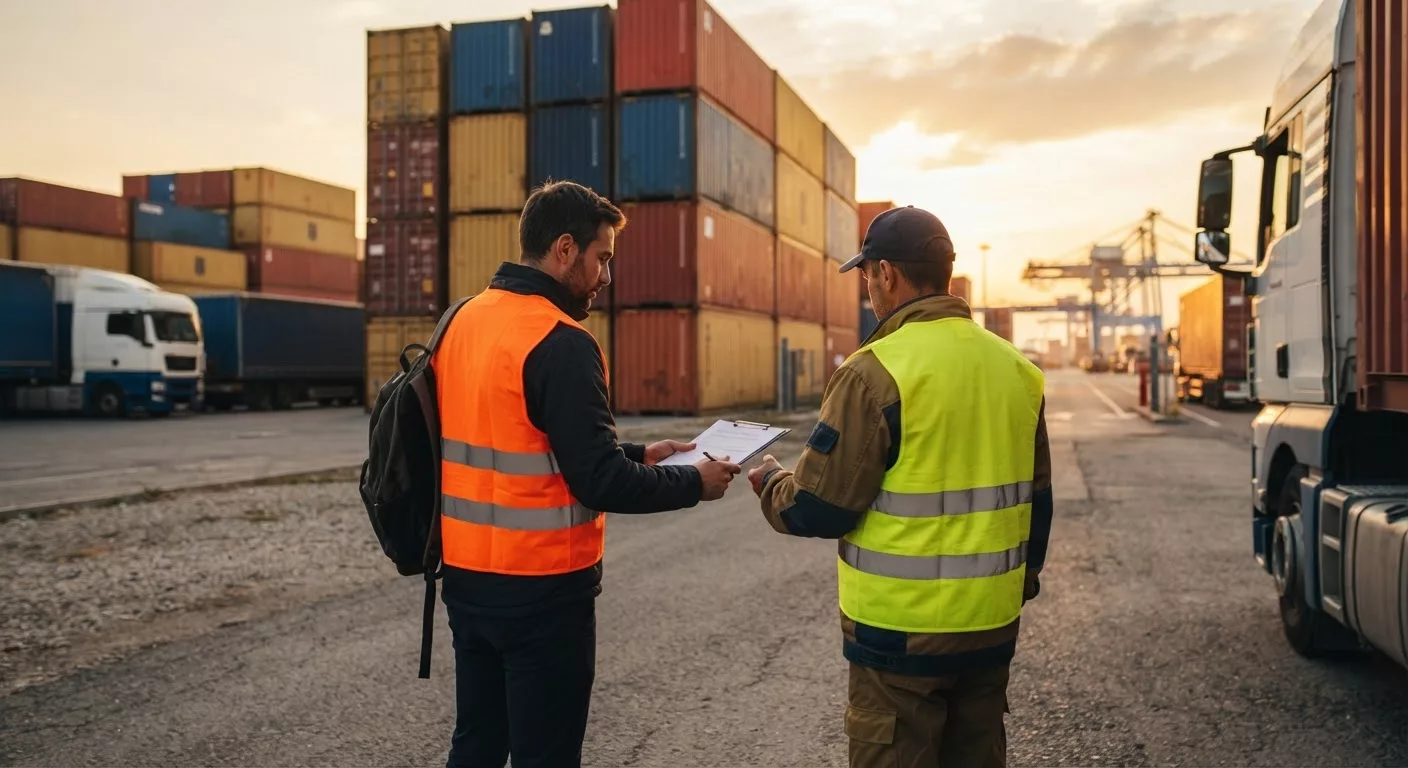
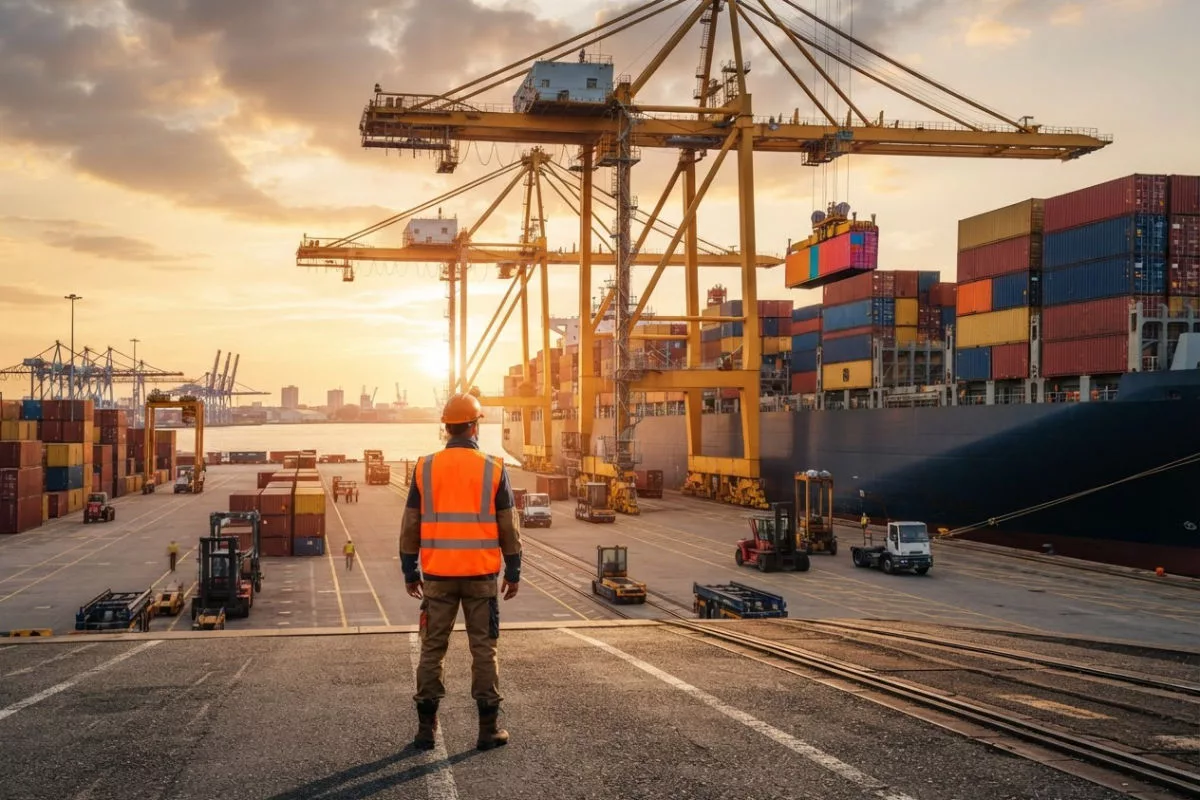
The quote from a factory in Ningbo looks excellent: 6,000 LED panels at a unit price well below anything in Europe. Ten weeks later the container sits at a terminal in Rotterdam, the invoice has to be reissued because the goods description is too vague, and the margin is shrinking with every day of storage.
Most importers price a China order on the purchase price. Customs works from three other things: the commodity code, the value at the EU border and the origin of the goods. Those three decide what you pay, and almost all of it is fixed before the container is even loaded.
This is what EU customs asks for when you import from China, what it costs and where shipments get stuck.
What do you need before importing from China?
Three things. Together they take less time than one week of a container waiting at the terminal.
- An EORI number in the name of the importing company. Without it, no customs declaration can be filed anywhere in the EU.
- The commodity code of each product, settled before you order. Chinese suppliers often quote their own national code, which does not always match the EU tariff. Our guide to the HS code explains how to find the right one.
- A clear arrangement on who files the declaration. A customs broker can only declare on your behalf once you have signed an authorisation.
Agree the Incoterm before you pay as well. FOB and EXW are the most common terms on China orders. Under FOB the supplier handles Chinese export clearance and loading at the port; from that point the freight, the risk and everything on the European side are yours. Under EXW you also take on the Chinese export formalities, which is harder to manage from Europe than it sounds.
How much import duty do you pay on goods from China?
It depends entirely on the commodity code. EU rates run from zero for a lot of electronics and raw materials to double figures for clothing and footwear. The rate for each code is published in TARIC, the EU tariff database.
The rate applies to the customs value, not to what you paid the supplier. That value is the price of the goods plus freight and insurance up to the point where the goods enter the EU. If you buy FOB Shanghai, the ocean freight to Rotterdam is part of it. Our article on customs value lists which costs count and which you can leave out.
A worked example in round numbers: a customs value of EUR 20,000 at a duty rate of 4 percent gives EUR 800 in import duty. Dutch import VAT of 21 percent is charged on the customs value plus the duty, so on EUR 20,800, which comes to EUR 4,368. To run the numbers for your own shipment, use our import duty calculator.
Why does a certificate of origin not lower the duty on Chinese goods?
Because there is no EU trade agreement with China, and China left the EU scheme of preferences for developing countries in 2015. There is no reduced rate for an EUR.1 or a REX statement to unlock. Chinese goods pay the standard third country rate.
Origin still matters, but it works against you. The EU has imposed anti-dumping and countervailing duties on a range of Chinese products, on top of the normal rate. Bicycles and e-bikes are the best known case; certain steel products, aluminium and ceramic tableware are on the list too. These duties can be higher than the normal rate itself, and some depend on the manufacturer: a producer named in the regulation can pay a different percentage from everyone else.
Check each commodity code in TARIC before you place the order. An anti-dumping duty you discover on arrival is a cost you can no longer pass on.
How is import VAT handled when you import from China?

In principle you pay import VAT at clearance, together with the duty. You reclaim it later through your VAT return, but until then the cash is tied up.
The Netherlands has its own scheme for this, the article 23 licence. With it, import VAT is not paid at the border but reported in your periodic Dutch VAT return and deducted in the same return, so nothing has to be prefinanced. It is a Dutch arrangement, and it only applies to goods declared for import in the Netherlands.
Companies established outside the Netherlands can use it too, through a fiscal representative who holds the licence for them.
Which documents does customs ask for on a shipment from China?
For a standard sea freight shipment there are four, plus whatever the product itself requires.
- The commercial invoice, with the goods description, price, currency and Incoterm. A proforma invoice is only acceptable when there is no sale.
- The packing list, with weights and quantities per package.
- The transport document: the bill of lading for sea freight, the air waybill for air freight.
- The freight invoice, if the freight is not on the commercial invoice but belongs in the customs value.
Before departure, the carrier also has to file an entry summary declaration in the EU system ICS2. If shipper or goods data is missing, the shipment can be held at the port of loading in China. What you as the importer need to supply for it is covered in our piece on ICS2 and the ENS declaration.
Where do imports from China go wrong in practice?
We see the same four problems again and again. They start in China and they cost money in Rotterdam.
- An invoice that describes the goods as “spare parts” or “accessories”, which makes it impossible to set a commodity code.
- A low invoice value the supplier entered “for customs”. Customs compares values per code, and an undervalued invoice leads to queries, corrections and a post-clearance demand.
- A commodity code picked by the supplier that does not fit the EU tariff.
- Documents that arrive after the vessel has berthed, while the free days on the container run out.
If the shipment is selected for a physical inspection, the cost of scanning, unpacking and reloading falls on the cargo owner, even when everything is in order. You cannot remove that risk. You can make sure the paperwork does not make the inspection take longer than it has to.
Frequently asked questions
Q: Do I need a customs broker to import from China into the EU?
Ans: Legally no, a company with access to the customs systems may declare for itself. In practice almost every importer uses a broker, because declarations go through national systems such as DMS and Portbase in the Netherlands, and a wrong code or value costs money straight away.
Q: How long does it take to clear a container from China?
Ans: With complete documents and a confirmed commodity code, usually a few hours. Delays almost always come from a missing or vague invoice, a code that still has to be worked out, or selection for inspection.
Q: Is import duty charged on shipping costs?
Ans: Yes, for the part up to the EU border. Freight from China to Rotterdam is included in the customs value. Transport inside the EU, from Rotterdam to your warehouse, is not, as long as it is shown separately on the invoice.
Q: Can I reclaim the import VAT?
Ans: Yes, if you are registered for VAT you deduct it in your VAT return. With a Dutch article 23 licence you also avoid paying it up front, because it is reverse charged in that same return.
Q: What if the supplier puts a lower value on the invoice?
Ans: Then you, as the importer, are liable for the unpaid duty and VAT, not the supplier. Customs can as a rule recover underpaid amounts up to three years back. Insist on the real transaction value on the invoice, whatever the supplier suggests.
Planning a first order from China, or want to know what your current shipments really cost? We confirm the commodity code, check the invoice before the container sails and handle the customs clearance, weekends included. You sign the authorisation once, and we take care of the declarations from there.