Importing from the USA to the EU: zero duty and origin proof
Key takeaways
- Since 1 July 2026, Regulation (EU) 2026/1455 applies: a large share of industrial goods from the US now enters the EU at zero import duty.
- The zero rate only applies if you can prove the non-preferential US origin of the goods. “Made in USA” on the packaging is not enough.
- The import declaration needs preference code 300 or 320, document code U190 and the US as country of origin.
- If the goods travel through a third country, you must show they stayed under customs supervision or were not processed on the way.
- Import VAT is always due, even at zero duty. In the Netherlands an article 23 licence lets you defer it to your VAT return.
A machinery maker in the south of the Netherlands buys components from a manufacturer in Ohio. Since the summer his commodity code carries zero import duty, so purchasing budgets a few thousand euros of savings per container. Then, on the first shipment, customs asks for evidence that the parts were actually made in the US. The supplier sends an invoice that says “Made in USA” and nothing else. The zero rate is refused and the normal duty is charged after all.
This happens more often than it should. The new arrangement is a real saving for anyone importing from the US, but the saving does not sit in the code on the declaration. It sits in the paperwork you can produce when customs asks for it.
Below: what changed on 1 July 2026, what customs expects from you and where shipments go wrong in practice.

What import duty do you pay on goods from the USA?
That depends on the commodity code and, since 1 July 2026, on whether that code falls under Regulation (EU) 2026/1455. The regulation implements the commitments the EU and the US set out in their joint statement of 2025, and it works with three annexes.
- Annex I sets the duty to zero for a wide range of industrial goods, including chemicals, pharmaceuticals, plastics, iron, steel and aluminium, machinery, vehicles and parts.
- Annex II removes the ad valorem part of the duty for certain fresh fruit, vegetables and fruit juices.
- Annex III opens twenty tariff quotas at zero duty for products such as pork and bison meat, dairy, nuts, soybean oil, animal feed, seafood and salmon, and processed foods.
If your code is not in an annex, the normal third country rate from TARIC applies. So check it code by code, and do it before you place the order. A wrong or overly broad code costs you twice here: you pay the normal rate and you miss a zero rate you were entitled to. How to pin down the right code is explained in our guide to the HS code.
Do not build the saving into a five year business case either. The European Commission can suspend the reductions if US imports seriously injure EU producers, or if the US does not keep its side of the commitments.
How do you prove US origin?
With evidence that the product was made in the US, or underwent its last substantial processing there. This is non-preferential origin, and there is no standard form for it.
That is the main difference with a normal free trade agreement. Preferential origin works with an EUR.1 or a REX statement on the invoice. Those systems do not apply here, as we explain in our article on the certificate of origin, EUR.1 and REX. The US arrangement relies on freedom of evidence: customs assesses what you provide, and may ask for more.
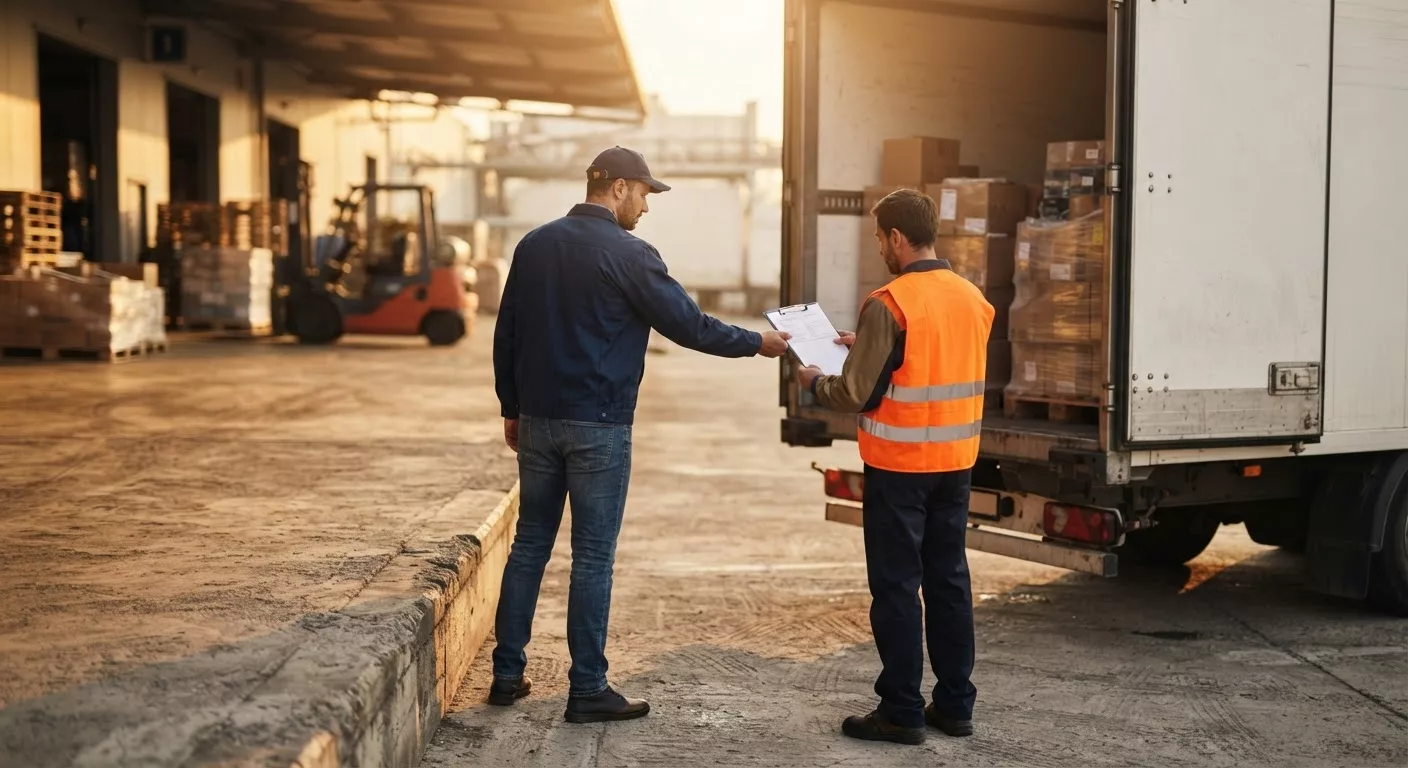
A “Made in USA” marking, an origin statement on the invoice or a certificate of origin is often not sufficient on its own. Customs can also ask for:
- production records from the manufacturer;
- details of the materials used and where they came from;
- supplier declarations;
- other documents that show the production process.
Agree in the purchase contract which origin information your US supplier will provide. Once the order is placed, your leverage drops sharply.
What goes into the import declaration?
Three data elements, and without any one of them you do not get the zero rate.
- Preference code 300 for the zero rate, or 320 for goods within a tariff quota.
- Document code U190 under supporting documents, referring to the proof of origin.
- US as country of origin.
Note that the codes are not proof in themselves. If they are on the declaration and you cannot back up the origin, customs can still refuse the reduced rate, including after release. Keep the evidence with the declaration file, not in the buyer’s inbox.
What if the goods travel through another country?
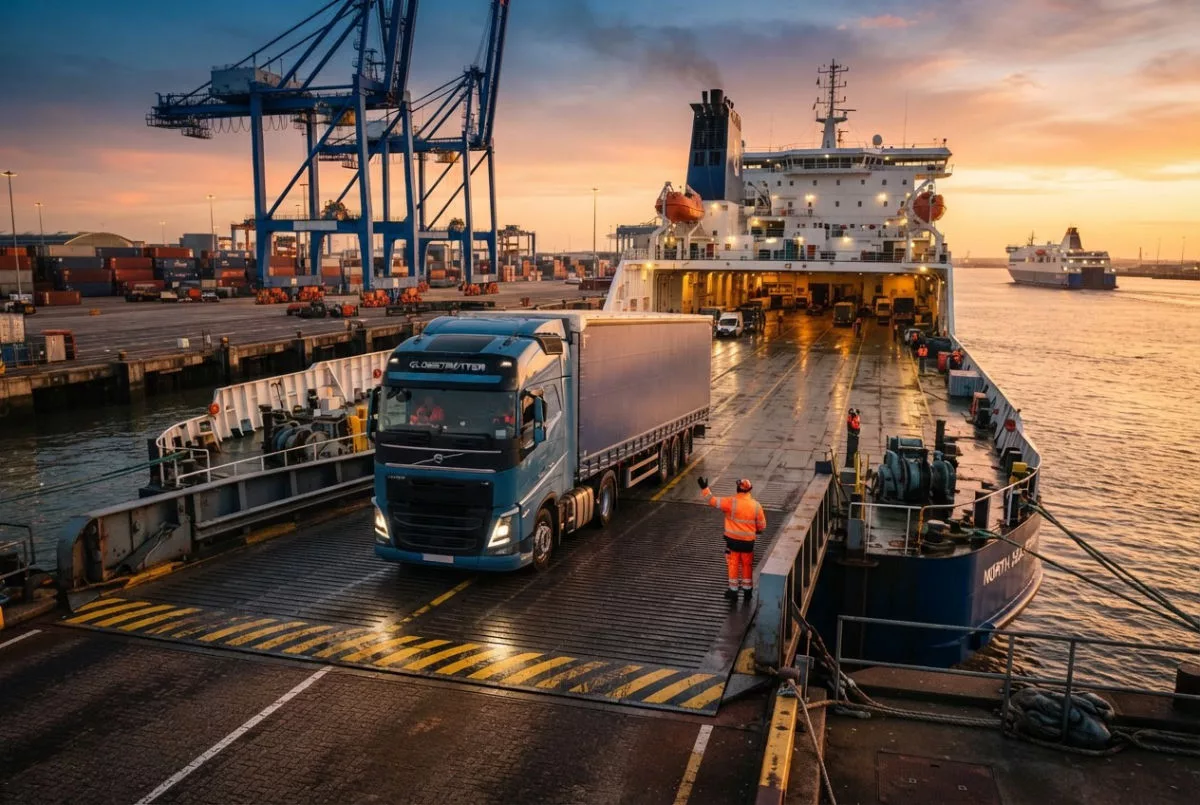
Then you must show that they were shipped directly from the US to the EU, or that they stayed under customs supervision during transit.
This comes up more often than you would expect. US suppliers regularly ship to Europe from a distribution centre in the United Kingdom or through a transhipment port outside the EU. Useful evidence is a through bill of lading or air waybill, a transit document, or a certificate of non-manipulation showing the goods were not altered or processed on the way.
Keep those transport documents as carefully as the origin evidence. Customs can ask for them after clearance too.
How do you calculate the cost of a shipment from the USA?
You work from the customs value: the price of the goods plus freight and insurance up to the EU border. Buy FOB Houston and the ocean freight to Rotterdam is part of it. Which costs count exactly is covered in our article on customs value.
A worked example with round numbers: a customs value of 50,000 euros, and say the normal rate for your code is 4 percent. Without the zero rate you pay 2,000 euros in duty, plus Dutch import VAT of 21 percent on 52,000 euros, so 10,920 euros. With the zero rate the 2,000 euros disappears and VAT is 10,500 euros on 50,000. For your own shipment, run the numbers in our import duty calculator.
Import VAT is the largest amount on the bill, and the zero rate barely changes it. For goods cleared in the Netherlands, the Dutch article 23 licence moves it to your VAT return, so you do not prefinance it on every shipment.
Where do US imports go wrong in practice?
We mostly see these four things come back.
- A US supplier reselling goods made in Asia. The invoice comes from the US, the origin does not, and the zero rate does not apply.
- Origin evidence requested only when customs asks for it. By then the container is already waiting.
- A commodity code taken from the supplier. US codes do not match the EU ones beyond the first six digits.
- A shipment routed through a third country without a through transport document.
If you also import from Asia, the contrast is sharp. There is no such reduction for Chinese goods, and anti-dumping duties are the bigger issue there, see our guide to importing from China to the EU.
Frequently asked questions
Q: Is everything from the US now duty free?
Ans: No. The zero rate only covers the commodity codes in the annexes of Regulation (EU) 2026/1455, and for agricultural products often only within a quota. Other codes pay the normal rate. Import VAT is always due.
Q: Is a certificate of origin enough proof?
Ans: Not always. No specific document is prescribed, and customs can ask for more, such as production records and supplier declarations. Agree on these with your supplier in advance.
Q: Does the zero rate apply to goods already in transit on 1 July 2026?
Ans: The regulation applies from 1 July 2026, and the rate at the time of the import declaration counts. If you are unsure about a specific shipment or a later correction, have it checked declaration by declaration.
Q: What happens if customs rejects the zero rate later?
Ans: Customs then issues a post-clearance demand for the normal duty and the VAT on it, and as the importer you are liable. As a rule customs can recover up to three years back. Solid evidence with the declaration avoids that discussion.
Q: Do I need a customs broker to import from the US?
Ans: Legally no, but the declaration runs through systems such as DMS and Portbase and the new codes must be exactly right. Most importers use a broker who also checks the origin evidence before the goods arrive.
Importing from the US and want to know whether your shipments qualify for the zero rate? We check the commodity code and the origin evidence before the goods land and handle the customs clearance, at weekends too. You sign the authorisation once, and we take care of the declarations from there.