CBAM for importers
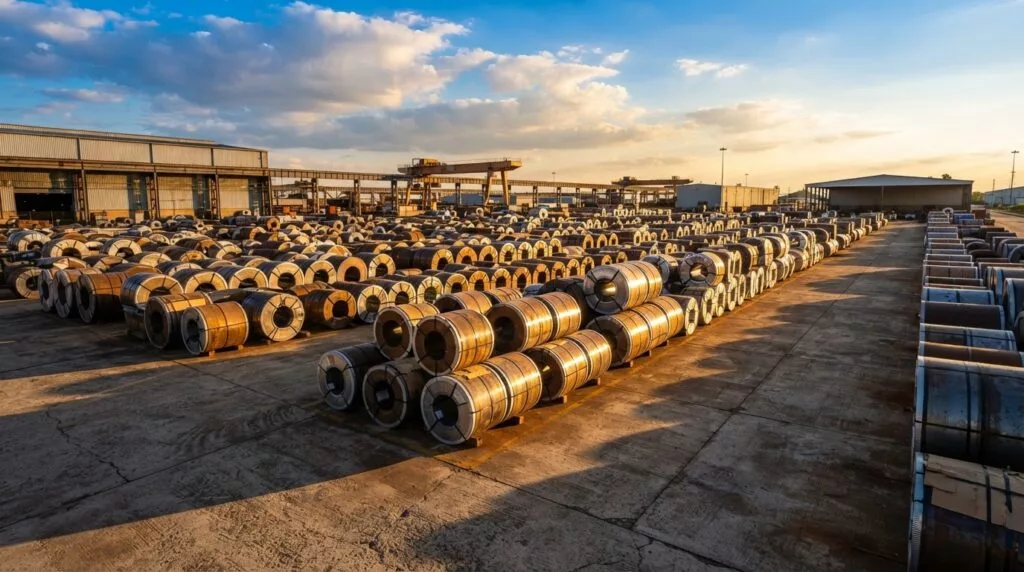
CBAM is in its definitive phase since January 2026. Which goods it covers, how the 50 tonne threshold works, who applies for authorisation, and what importing without one costs.
ICS2 and the ENS declaration
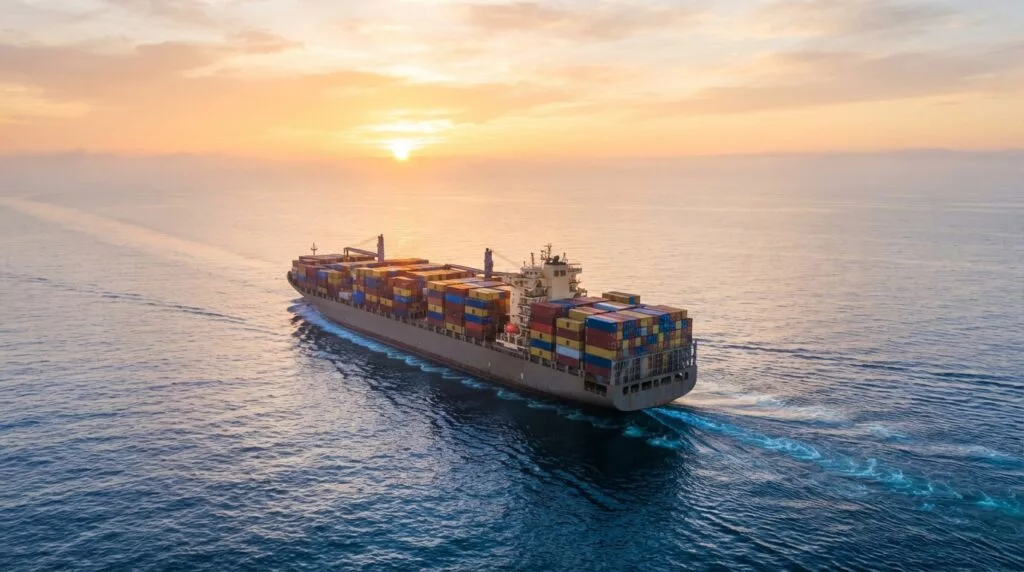
Since December 2025 an ENS declaration can only be filed through ICS2. Which deadlines apply to sea freight, which data you must supply, and what happens when a declaration is rejected.
Customs warehouse: types, security and liability
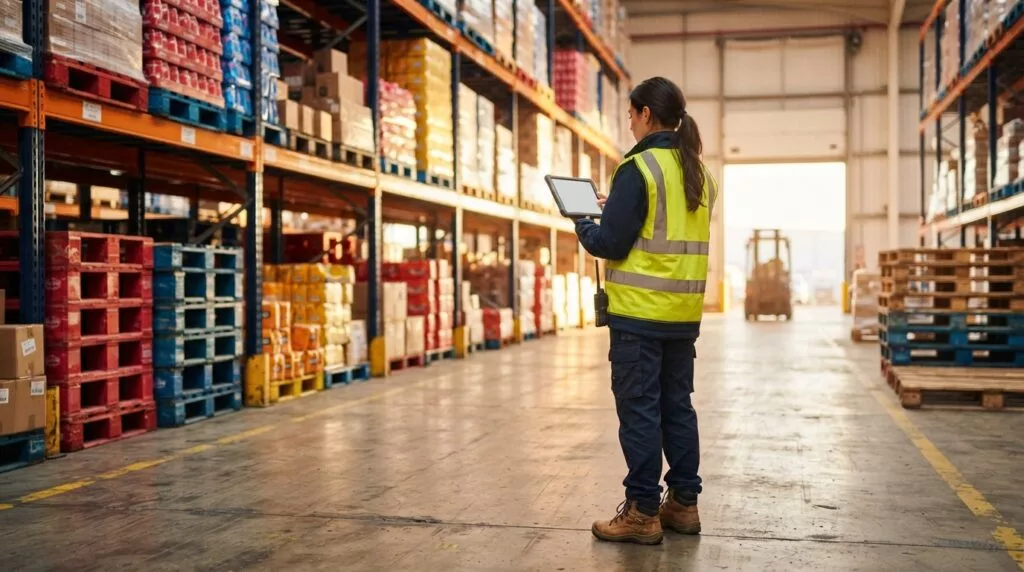
In a customs warehouse you store goods without paying import duties or import VAT. Which types exist in the Netherlands, who carries the liability, and what security you must provide.
Article 23 licence: reverse charging import VAT

With an Article 23 licence you shift import VAT to your VAT return instead of paying it to customs. How the reverse charge works, who can apply, and what foreign entrepreneurs do.
Customs value: which costs count on import
The customs value determines what you pay in import duties and import VAT. Which costs you must add, which you may deduct, and which transaction counts in a chain sale.
T1, T2, T2L and T2LF documents explained: transit rules in European logistics
Goods crossing European borders are not always cleared in the first country they enter. A container arriving in Rotterdam and destined for Germany, for example, does not need to be fully cleared in the Netherlands.
What is Portbase? How digital customs processing works in the Netherlands
Rotterdam and Amsterdam are among Europe’s most important logistics gateways. Hundreds of parties need to exchange information accurately and instantly every day.
What is fiscal representation in the Netherlands and why do companies need it?
The Netherlands is one of Europe’s most important gateways for goods. The Port of Rotterdam and Schiphol Airport process enormous volumes of import shipments daily for companies from outside the EU.
Demurrage and Detention Explained: Container Delay Costs in Shipping
Container delay costs can arise unexpectedly. One moment your shipment is running on schedule, and the next you’re facing daily costs that add up quickly.
HS Code Explained: Classifying Goods and Calculating Import Duties
Every product that crosses an international border requires a code. That code tells customs exactly what the product is and how much import duty applies. The HS code is that number.